Survive & Thrive Conference 2025 | November 14-16, 2025
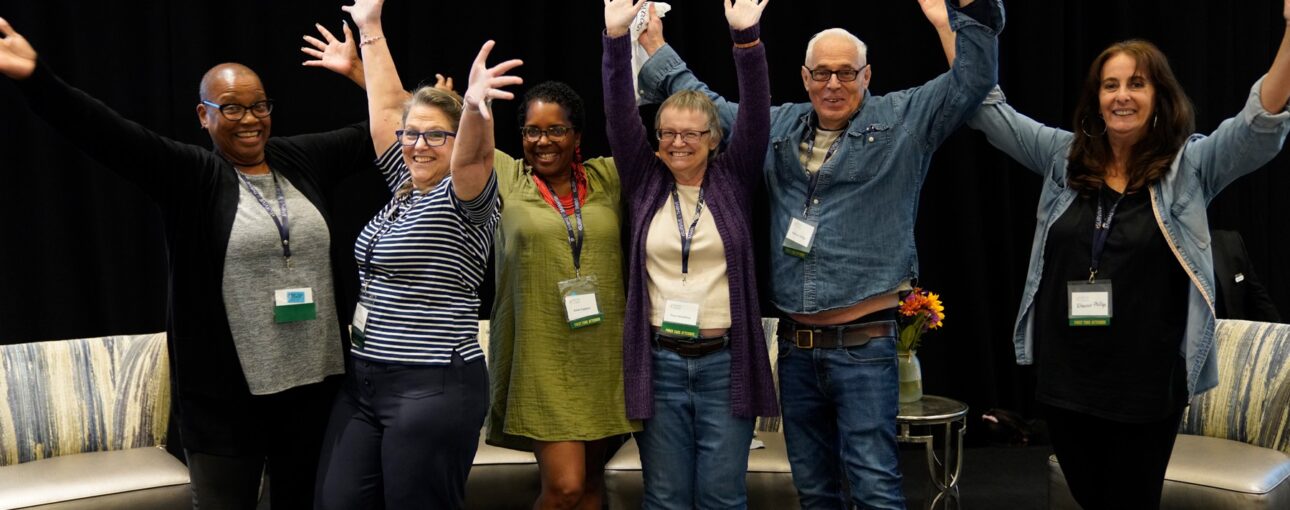
If you are a cancer patient, survivor, caregiver, or a healthcare professional, you’re invited to attend one of the premier cancer conferences in Texas, Survive & Thrive Conference 2025. This weekend cancer conference includes workshops and lectures led by local and national cancer experts and opportunities to connect with others whose lives have been affected by cancer.
This inspiring event bridges the gap between cancer treatment and survivorship. It’s an opportunity to experience joy and meaningful connection, to learn how to tackle challenges, and to celebrate triumphs with others.

“The Survive & Thrive Conference is a unique opportunity to find a real sense of community with others who ‘get it,’” said Harry Campbell, speaker, author, and keynote speaker at this year’s conference.
Survive & Thrive Conference 2025 will feature sessions tailored to attendees based on where they are in the cancer experience. New for 2025, follow a session track that helps you READY for the cancer experience and into survivorship, gather the tools to SET you up to conquer the myriad of challenges cancer brings, and fill your cup with inspiration to GO forth with confidence and renewed energy.
“The heart of this conference lies in meeting you where you are,” said Campbell. “Everyone experiences cancer is a uniquely personal way, but each of us needs the support of others,
techniques, and resources that make that experience a little easier. Along the way, finding joy and connection with others is uplifting.
For more information and to register, visit the conference website. Encourage others to join you and sign up to get the latest information about the conference.
By Kathryn Hudson, M.D., Texas Oncology–Austin Central and Director of Survivorship, Texas Oncology

In this newsletter, we begin a new series on the stages of survivorship. Dr. Kathryn Hudson, medical oncologist and director of survivorship at Texas Oncology, kicks it off with Part 1 below. Watch the next few biweekly newsletters, where social worker Katie Ozuna, LMSW, OSW-C, continues the series.
Cancer survivors are resilient and powerful. But when does survivorship begin and what does it mean? Like the American Cancer Society, Texas Oncology defines cancer survivorship as beginning at diagnosis. There are several stages of survivorship, including those in treatment, recently completed treatment, and those who have been cancer free for a while. It also includes those living with metastatic cancer.
What survivorship means differs by the phase of the cancer experience. Someone who is newly diagnosed experiences survivorship in a different way than someone who has been cancer free for many years . What is the same is that their lives have been forever changed by experiencing cancer. A variety of factors impact survivorship, including type of cancer, side effects, other health conditions, and where you are in the cancer experience.
There’s no one way to approach survivorship. The right way is what is right for you. Different people enter survivorship a bit differently. Some want to return to life as close as it was before cancer. Some embrace new adventure, learn something new, or get involved in something they never would have had the courage to do before cancer. Some are reflective and cherish time with friends and family even more. Others connect with nonprofits to become advocates for cancer awareness, research, and helping others through one of life’s most challenging and vulnerable times.
You are empowered to approach survivorship on your own terms. Many of us don’t know where to start, and that’s ok. There are useful resources and guidance available to help you navigate it through all the stages. That guidance can be tailored to you, your circumstances, and your goals.
Start by assessing your goals, values, and what is important to you. Survivorship means giving appropriate attention to the combination of physical, social, and emotional aspects of your life. For example, physical activity can also help manage stress and anxiety. Connecting with people during and after treatment helps you focus on something other than cancer. Finding joy and purpose, even in the little things on the toughest days, can improve your emotional health.
Transitioning from cancer treatment is new territory for most people. Texas Oncology provides a survivorship plan as patients transition after finishing treatment. It’s important to maintain regular appointments with your oncologist, which may become less frequent over time. Maintaining a relationship, or developing one, with a primary care physician is imperative to maintain good overall health. The plan also gives guidance on how to maintain a healthy lifestyle as a cancer survivor and how to mitigate side effects of treatment and prevent recurrence and other cancers.
Patients are not the only ones who experience survivorship. Caregivers have a different perspective, but they too move through the stages of survivorship. Their lives have been significantly affected and changed by cancer, too.
Texas Oncology Foundation’s website has survivorship resources to guide you at any stage of survivorship. Stay tuned for the next few Foundation biweekly newsletters for more details on each survivorship stage.
By Karen Smith, MS, RD, CSO, LD/LDN, Manager of Clinical Nutrition Services, Texas Oncology

Summe’s bounty offers an incredible variety of nutritious and delicious produce that can significantly enhance your diet. Here are key strategies for making the most of seasonal fruits and vegetables:
- Peak Nutrition. Timing Fresh, in-season produce contains the highest levels of vitamins, minerals, and antioxidants. Summer fruits like berries, stone fruits, and melons are at their nutritional peak right now, while vegetables like tomatoes, zucchini, and corn offer maximum flavor and nutrients.
- Storage and Preparation Tips. Store most summer fruits at room temperature until ripe, then refrigerate to extend freshness. Keep vegetables like tomatoes and peppers out of the refrigerator for better flavor retention. Wash produce just before eating rather than in advance to prevent premature spoilage.
- Maximizing Variety and Color. Aim for a rainbow of colors on your plate – the diverse pigments in summer produce provide different antioxidants and phytonutrients. Red tomatoes and watermelon offer lycopene, orange peaches and carrots provide beta-carotene, and purple eggplant and berries contain anthocyanins.
- Preparation Methods. Raw preparations often preserve the most nutrients, making summer perfect for fresh salads, fruit bowls, and gazpacho. Light cooking methods like grilling, roasting, or quick sautéing can enhance the absorption of certain nutrients while maintaining others.
- Hydration Benefits. Many summer fruits and vegetables have high water content – watermelon, cucumbers, tomatoes, and zucchini can contribute significantly to your daily fluid intake while providing essential nutrients.
- Preservation for Later. Consider freezing berries, blanching and freezing vegetables, or making fresh salsas and sauces to extend the season’s nutrition into fall and winter months.
The key is eating a wide variety of seasonal produce while it’s at its peak quality and incorporating it into meals in ways that preserve both nutrition and enjoyment.
By Anish Meerasahib, M.D., Texas Oncology–Deke Slaton Cancer Center and Texas Oncology–Houston Southeast

The fall is brimming with fun activities that also serve a good cause. Grab a friend and enjoy one of Texas Oncology Foundation’s fundraising events.
“These events provide a great sense of community to everyone participating,” said Anish Meerasahib, M.D., Texas Oncology–Deke Slaton Cancer Center and Texas Oncology–Houston Southeast. “Having fun and being philanthropic go hand-in-hand at these events.”
The Celebrate Life 5K Run and Survivors’ Lap events bring communities together, promote health and wellness and raise funds for cancer patients in that city. Participate as an individual or create a team.
Tip your hat and join us for Uncork to Support – an evening of live music, good food, an online auction, and the “Hats Off” tasting experience featuring Texas Fine Wines. Whether you enjoy the tasting or simply the atmosphere, it’s an opportunity to gather in a beautiful setting for a meaningful cause.
“You can feel confident you are participating in an event that makes a meaningful difference in the lives of people with cancer,” said Dr. Meerasahib. “The best part is that all funds raised stay in the local community to help local patients with financial assistance and survivorship programming.”

Celebrate Life5K
Webster, Texas – September 20
Waco, Texas – September 27
Denton, Texas – October 18

Uncork to Support
San Antonio, Texas – November 7